Laser tattoo removal is one of the more specialised treatments within the modern laser and aesthetics industry. For students and beauty professionals in Dubai who want to progress into technology-led treatments, understanding how tattoo removal works is an important starting point.
The treatment involves much more than directing a laser at tattooed skin. Practitioners need to understand tattoo pigments, wavelengths, skin types, laser-tissue interaction, contraindications, treatment intervals, safety procedures and client consultation.
Students interested in developing specialist knowledge in this area can explore the Laser Tattoo Removal Course.
What Is Laser Tattoo Removal?
Laser tattoo removal uses concentrated pulses of light to target tattoo pigment located within the skin.
Tattoo ink contains pigment particles deposited within the dermis. These particles are generally too large for the body to remove easily, which is one reason tattoos can remain visible for many years.
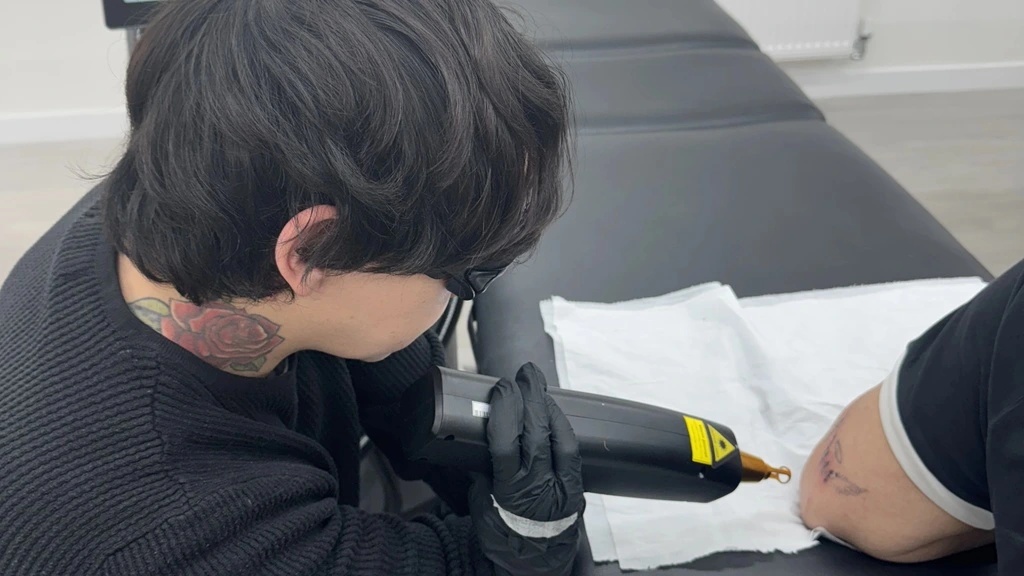
During a laser tattoo removal treatment, selected wavelengths of laser energy are absorbed by the tattoo pigment.
This energy breaks larger pigment particles into smaller fragments. The body’s natural processes can then gradually clear some of these fragmented particles.
This gradual process is why tattoo removal normally requires several treatment sessions rather than one appointment.
How Does Laser Tattoo Removal Work?
Laser tattoo removal relies on controlled interaction between laser energy and tattoo pigment.
The aim is to target the ink while limiting unnecessary effects on the surrounding skin.
In simplified terms, the treatment process involves:
- Laser energy reaching the tattoo pigment.
- Tattoo ink absorbing the energy.
- Pigment particles breaking into smaller fragments.
- The body gradually processing these fragments.
- The tattoo progressively becoming lighter over multiple sessions.
Different tattoos respond differently, which means professional assessment is essential.
Students who want to compare this treatment with another major laser specialism can also read Laser Tattoo Removal vs Laser Hair Removal in Dubai.
1. Tattoo Ink Colour Matters
One of the first things future practitioners need to understand is that tattoo colours do not all behave in the same way.
Different pigments absorb different wavelengths of light.
A tattoo may contain colours such as:
- Black
- Dark blue
- Red
- Green
- Purple
- Orange
- Yellow
Some colours can respond more readily than others, while certain pigments may require different wavelengths or treatment strategies.
This is why students taking a Laser Tattoo Removal Course need to understand colour theory as well as laser technology.
2. Understanding Laser Wavelengths
Wavelength is one of the most important concepts in professional tattoo removal.
Different laser technologies produce different wavelengths, and those wavelengths interact differently with tattoo pigments.
Future practitioners should understand factors such as:
- Wavelength
- Tattoo colour
- Skin pigmentation
- Energy
- Pulse duration
- Spot size
- Treatment depth
A practitioner should understand why particular treatment parameters are selected instead of simply memorising machine settings.
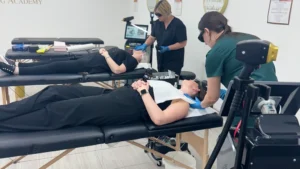
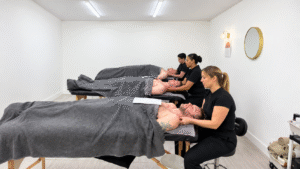
3. Practical Laser Training Matters
Tattoo removal cannot be learned effectively through theory alone.
Students need opportunities to observe and practise how professional laser technology is used in a controlled treatment environment.
Practical training can help students develop skills involving:
- Machine preparation
- Client positioning
- Protective eyewear
- Handpiece technique
- Treatment parameters
- Skin observation
- Documentation
- Client communication
This becomes particularly important when working with Dubai’s diverse client population and wide range of skin tones.
4. Skin Type Must Be Assessed Carefully
Dubai is home to people from many different ethnic and cultural backgrounds.
A practitioner may therefore encounter a broad range of skin tones within the same clinic.
Skin assessment is particularly important because melanin in the skin can also absorb laser energy.
Before tattoo removal, practitioners may need to consider:
- Skin type
- Natural pigmentation
- Recent tanning
- Sun exposure
- Previous skin reactions
- Skin sensitivity
- Medical history
- Tattoo location
Students interested in developing broader professional skin knowledge can also explore the Ultimate Skin Specialist Diploma.
5. Consultation Comes Before Treatment
Professional tattoo removal begins with consultation rather than with the laser machine.
The practitioner needs to understand both the client’s skin and the tattoo being treated.
A consultation may include questions about:
- When the tattoo was created
- Whether it was professionally or manually applied
- Colours within the tattoo
- Previous removal attempts
- Medical history
- Medication
- Skin conditions
- Scarring history
- Recent sun exposure
- Client expectations
Consultation is also the time to explain that the final result can vary.
Some tattoos may fade significantly, while complete removal cannot always be guaranteed.
6. Why Multiple Sessions Are Usually Required
One of the most common questions clients ask is whether a tattoo can be removed in one session.
Usually, tattoo removal is a gradual process.
The tattoo may contain significant pigment at different depths within the skin, and the body needs time to process fragmented pigment between treatments.
The number of sessions can be influenced by:
- Tattoo size
- Ink colour
- Pigment density
- Tattoo depth
- Tattoo age
- Skin type
- Tattoo location
- Laser technology
- Individual response
Practitioners should therefore avoid guaranteeing an exact number of sessions before assessing the tattoo.
7. Professional and Amateur Tattoos Can Respond Differently
Not every tattoo contains the same amount of pigment.
Professional tattoos can have:
- Higher pigment density
- Multiple colours
- More consistent ink depth
- Larger areas of coverage
Amateur tattoos may contain less pigment or have more variable ink depth.
These differences can influence the treatment plan.
Future practitioners therefore need to assess each tattoo individually rather than applying the same parameters to every client.
8. Laser Safety Is Essential
Laser tattoo removal involves powerful professional equipment.
Safety should therefore be one of the core elements of any training programme.
Both the practitioner and client need appropriate protection.
Practitioners should understand:
- Laser protective eyewear
- Treatment-room safety
- Equipment checks
- Client protection
- Practitioner protection
- Skin preparation
- Suitable treatment parameters
- Hygiene procedures
- Treatment documentation
- Emergency procedures
- Aftercare
Professional laser work requires controlled decision-making rather than simply using preset machine settings.
9. What Happens to the Skin During Treatment?
The skin can show temporary responses immediately after laser tattoo removal.
Depending on the technology, settings and individual client, temporary responses may include:
- Redness
- Mild swelling
- Sensitivity
- Warmth
- Temporary whitening or frosting
- Crusting during healing
Future practitioners should learn which responses can occur normally and which signs may require additional assessment.
Knowing when not to continue treatment is as important as knowing how to perform it.
10. What Is Tattoo Frosting?
Temporary whitening can sometimes appear immediately after laser energy interacts with the tattoo.
This is commonly called frosting.
Future practitioners should understand that visible frosting does not mean that stronger treatment is automatically better.
The aim should always be controlled treatment using suitable parameters rather than producing the strongest possible visible skin response.
11. Aftercare Is Part of the Treatment
Professional tattoo removal does not finish when the laser treatment ends.
Clients need clear instructions on how to care for the treated area while it heals.
Aftercare advice may include:
- Keeping the area clean
- Avoiding unnecessary friction
- Following recommended skincare instructions
- Avoiding scratching or picking
- Protecting the area from excessive sun exposure
- Monitoring the healing process
- Contacting the clinic if unusual symptoms occur
Clear aftercare also helps improve communication between treatment sessions.
12. Skincare Knowledge Helps Tattoo Removal Practitioners
Tattoo removal practitioners work directly with skin, which makes a strong skincare foundation useful.
Relevant knowledge includes:
- Skin anatomy
- Skin barrier function
- Pigmentation
- Sensitivity
- Inflammation
- Healing
- Contraindications
- Post-treatment care
Students wanting to strengthen their skincare foundation can explore the Level 2 Clinical Skincare Course.
Combining laser education with skincare training can help practitioners understand client skin more comprehensively.
13. Can Laser Tattoo Removal Cause Scarring?
Clients frequently ask about scarring before treatment.
The risk can be influenced by several factors, including:
- Existing scar tissue
- Previous tattooing technique
- Previous removal treatments
- Treatment parameters
- Client skin type
- Infection
- Healing response
- Aftercare
- Picking or scratching
This is one reason professional consultation and treatment planning are important.
A practitioner should also assess whether visible scar tissue was already present beneath the tattoo before removal begins.
14. Building Broader Laser Skills
Tattoo removal can be one specialisation within a wider laser career.
Some practitioners may eventually want to develop skills in areas such as:
- Laser hair reduction
- IPL treatments
- Skin rejuvenation
- Pigmentation treatments
- Carbon laser treatments
- Advanced consultations
Students wanting a broader foundation across several types of laser treatments can consider the Complete Laser Technician Course.
This can help practitioners understand tattoo removal within the wider context of professional laser technology.
Students planning a broader laser career can also read How to Become a Laser Technician in Dubai.
15. Managing Client Expectations
Some clients want complete tattoo removal.
Others only want enough fading to allow a new tattoo or cover-up.
The practitioner should establish the client’s objective during consultation.
Important areas to discuss include:
- Expected fading
- Potential number of treatments
- Treatment intervals
- Different ink colours
- Skin responses
- Aftercare
- Limitations
Clients should understand that the process is gradual.
Clear expectations are important for maintaining professional relationships throughout a long treatment programme.
16. Tattoo Removal Consultation in Dubai
Dubai practitioners may see clients from a wide variety of backgrounds and skin types, making personalised consultation particularly important.
Rather than using a standard treatment plan for everyone, practitioners should evaluate the individual client and tattoo before deciding how treatment should progress.
17. Building a Career in Laser Tattoo Removal in Dubai
Specialist laser skills can form part of a broader career within Dubai’s beauty and aesthetics sector.
Depending on qualifications, professional requirements and permitted scope of practice, practitioners may work within:
- Laser clinics
- Aesthetic clinics
- Skin clinics
- Tattoo-removal clinics
- Advanced beauty centres
- Medical aesthetic facilities
Practitioners may later choose to combine tattoo removal with laser hair reduction, clinical skincare or other advanced treatments.
Is Laser Tattoo Removal Suitable for Beginners?
Students can enter tattoo-removal education from different backgrounds.
Some may already have experience in beauty, skincare or laser treatments, while others may be beginning their journey into aesthetics.
Important subjects to learn include:
- Skin anatomy
- Tattoo pigments
- Laser principles
- Wavelengths
- Consultation
- Contraindications
- Laser safety
- Healing
- Aftercare
- Practical machine techniques
Students specifically interested in tattoo removal can explore the Laser Tattoo Removal Course.
Start Learning Laser Tattoo Removal in Dubai
Laser tattoo removal combines science, technology, skin knowledge, practical ability and client care.
Future practitioners need to develop an understanding of:
- Tattoo pigments
- Laser wavelengths
- Different skin types
- Laser-tissue interaction
- Client assessment
- Contraindications
- Treatment safety
- Practical technique
- Healing
- Aftercare
Students who want to specialise in this area can explore the Laser Tattoo Removal Course and begin building the knowledge required for professional laser treatments in Dubai.
Frequently Asked Questions
1. How does laser tattoo removal remove tattoo ink?
Laser energy is absorbed by tattoo pigment, causing larger pigment particles to break into smaller fragments. The body can then gradually process some of these fragmented particles.
2. How many sessions does laser tattoo removal require?
There is no single number that applies to every client. Treatment requirements can depend on tattoo size, ink colour, pigment density, tattoo age, skin type and individual response.
3. Do all tattoo colours respond to the same laser?
No. Different colours absorb different wavelengths. Professional practitioners therefore need to understand wavelength selection.
4. Can laser tattoo removal be performed on different skin tones?
Different skin types require careful assessment because skin pigmentation can affect how laser energy interacts with the treatment area.
5. Can beginners learn laser tattoo removal in Dubai?
This depends on the course entry requirements and previous qualifications. Students should check the requirements of the training programme before enrolling.
6. What course can I take for tattoo removal training in Dubai?
Students interested specifically in this treatment can explore the Laser Tattoo Removal Course.
7. Is practical training important?
Yes. Practical training helps students develop equipment-handling, treatment-planning, client-positioning and skin-observation skills.
8. Can tattoo removal cause scarring?
There are risks associated with laser treatments. Appropriate assessment, suitable parameters and proper aftercare are important for reducing avoidable complications.
9. Is skincare knowledge useful for tattoo removal practitioners?
Yes. Understanding pigmentation, skin sensitivity, healing and contraindications can improve professional assessment. Students may also explore the Level 2 Clinical Skincare Course.
10. Can tattoo removal training be combined with broader laser training?
Yes. Students wanting broader laser knowledge can also explore the Complete Laser Technician Course.