A professional spa therapist needs much more than one massage technique. Modern spas in Dubai may offer body massage, exfoliation, lymphatic treatments, wellness rituals, hand and foot treatments, facials and other complementary beauty services.
For anyone planning to build a career in Dubai’s spa and wellness industry, developing a broad treatment foundation can make it easier to work confidently with different clients and within different spa environments.
A professional therapist should understand anatomy, massage techniques, client consultation, contraindications, hygiene, pressure control, body treatments and aftercare.
Students looking for comprehensive spa training can explore the Complete Spa Therapist Course.
Students who want to understand the wider professional pathway can also read How to Become a Spa Therapist in Dubai.
Why Spa Therapists Need a Broad Treatment Skill Set
Clients visit spas for different reasons.
Some want relaxation after a busy week. Others may want body exfoliation, massage, wellness treatments or a complete spa experience.
A therapist who understands several treatment categories can adapt more effectively to different client needs.
Useful treatment skills include:
- Full-body massage
- Swedish-style massage techniques
- Back, neck and shoulder massage
- Body exfoliation
- Body wraps
- Lymphatic drainage
- Wood therapy
- Hand and foot treatments
- Basic facial treatments
- Spa rituals
- Client consultation
- Professional aftercare
Here are some of the most useful treatments future spa therapists should understand.
1. Full-Body Massage
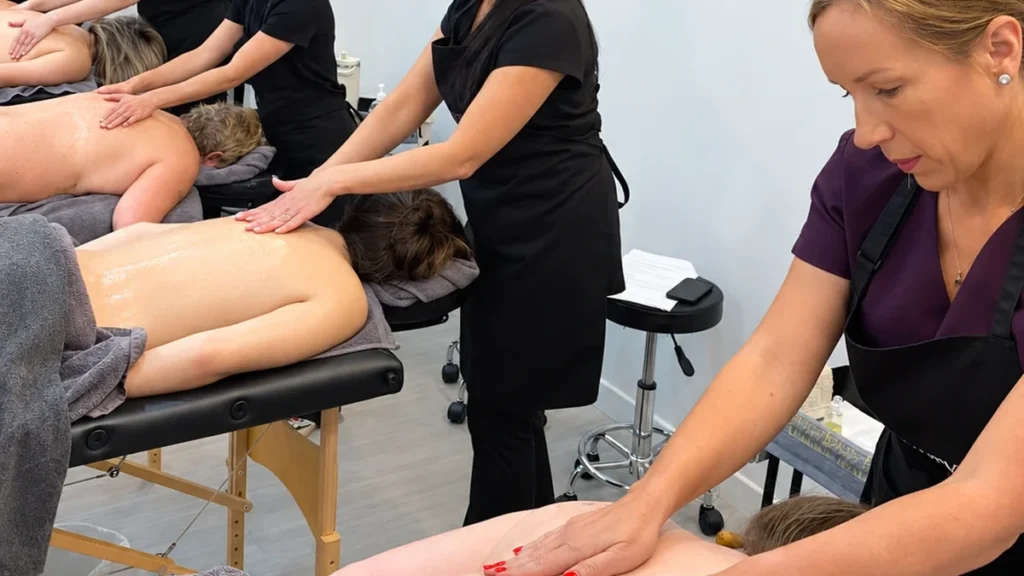
Full-body massage is one of the most fundamental skills for a professional spa therapist.
A typical treatment may involve areas such as:
- Back
- Shoulders
- Neck
- Arms
- Hands
- Legs
- Feet
Professional massage training should teach more than a fixed sequence.
Therapists need to understand:
- Pressure
- Rhythm
- Treatment direction
- Client positioning
- Draping
- Body mechanics
- Contraindications
- Client comfort
A therapist should also learn how to adjust pressure according to the individual client.
Why Massage Technique Matters
Clients should not receive exactly the same pressure or treatment style.
Some may prefer:
- Light pressure
- Medium pressure
- Firmer pressure
- More attention around the shoulders
- Less pressure around sensitive areas
Good spa therapists continuously assess client comfort while maintaining a smooth and professional treatment flow.
2. Swedish-Style Massage Techniques
Swedish-style massage forms an important foundation for many spa treatments.
Professional techniques can include movements such as:
- Effleurage
- Petrissage
- Kneading
- Circular movements
- Compression
- Rhythmic strokes
These movements can be combined to create a structured treatment.
The important skill is not simply learning the names of the techniques.
A therapist needs to learn how to connect movements smoothly so the treatment feels continuous rather than like a collection of separate massage steps.
3. Back, Neck and Shoulder Massage
Not every client wants a full-body treatment.
Shorter treatments focusing on the back, neck and shoulders can be useful spa services.
These areas are commonly associated with muscular tension, particularly for clients who spend long periods:
- Sitting at a desk
- Driving
- Using laptops
- Using mobile phones
- Travelling
Dubai’s professional and hospitality environment means therapists may work with clients who want shorter relaxation treatments between work or travel commitments.
A therapist should understand:
- Client positioning
- Appropriate pressure
- Basic anatomy
- Areas requiring caution
- Treatment timing
4. Body Exfoliation Treatments
Body exfoliation is another common spa service.
A body scrub is designed to remove superficial dead skin cells and leave the skin feeling smoother.
Products may include:
- Salt-based scrubs
- Sugar-based scrubs
- Cream exfoliants
- Professional body polishes
A therapist needs to know how to:
- Apply products evenly
- Control pressure
- Work methodically
- Protect client privacy
- Remove products efficiently
- Follow with appropriate hydration
Body exfoliation may also form part of a larger spa ritual.
5. Body Wraps
Body wraps can be incorporated into professional spa treatment menus.
Depending on the product and treatment protocol, a wrap may focus on:
- Hydration
- Skin conditioning
- Relaxation
- Luxury spa experience
A therapist needs to understand:
- Product application
- Client wrapping
- Temperature
- Treatment timing
- Client comfort
- Contraindications
- Product removal
Clients should never feel overly restricted or uncomfortable during the treatment.
6. Lymphatic Drainage
Lymphatic drainage is a more specialised treatment area.
It uses controlled, generally lighter movements designed around the lymphatic system rather than the deeper pressure associated with some traditional massage techniques.
Students interested in developing this skill can explore the Lymphatic Drainage Course.
Future therapists should understand:
- Lymphatic pathways
- Treatment direction
- Appropriate pressure
- Client assessment
- Contraindications
- Treatment sequencing
- Aftercare
Lymphatic techniques require dedicated training because they are different from simply performing a lighter version of a normal massage.
7. Wood Therapy
Wood therapy is another body-focused treatment that some modern wellness and beauty businesses offer.
It uses specially shaped wooden tools during body-treatment protocols.
Students learning wood therapy should understand:
- Tool selection
- Tool handling
- Treatment direction
- Pressure
- Client comfort
- Hygiene
- Contraindications
The treatment should be performed methodically rather than applying excessive pressure simply because a tool is being used.
For students interested in both lymphatic drainage and wood-therapy techniques, the Lymphatic Drainage Course is a relevant complementary training option.
Professionals interested in why these specialist services are increasingly relevant within spa treatment menus can also read Why Body Treatments Are Becoming More Important in Modern Spas.
8. Hand and Foot Treatments
Spas often provide treatments focused specifically on the hands and feet.
These can involve:
- Cleansing
- Exfoliation
- Massage
- Moisturising
- Cuticle care
- Nail preparation
For spa therapists working in businesses that also provide beauty treatments, understanding hand and foot care can be useful.
Students who want to develop a more complete professional nail skill set can later explore the Complete Nail Technician Course.
9. Basic Facial Treatments
Many spas combine body treatments with skincare services.
A basic professional facial may include:
- Cleansing
- Skin assessment
- Exfoliation
- Massage
- Mask
- Serum
- Moisturiser
- SPF
- Aftercare
Spa therapists offering facial treatments should understand that facial skin requires different assessment and product selection from body massage.
Students particularly interested in developing advanced skincare knowledge can explore the Ultimate Skin Specialist Diploma.
Why Facial Knowledge Can Be Valuable in a Spa
Luxury spas often aim to provide several treatments in one environment.
A client may book:
- Massage
- Body scrub
- Facial
- Hand or foot treatment
Having complementary skincare knowledge can therefore help therapists develop a broader professional profile.
10. Spa Rituals
A spa ritual usually combines several treatment elements to create a longer, more immersive experience.
For example, a spa journey might include:
- Client consultation
- Body exfoliation
- Shower or product removal
- Massage
- Body hydration
- Relaxation period
The therapist needs to manage the transitions carefully.
A spa ritual should feel like one continuous experience rather than several disconnected services.
11. Aromatherapy-Style Massage
Some spas incorporate aromatic oils into massage treatments.
Therapists should understand that essential oils and fragranced products need appropriate handling.
Important considerations include:
- Client allergies
- Skin sensitivity
- Product dilution
- Treatment environment
- Contraindications
- Client preference
Strong scents are not suitable for every client.
Consultation should therefore happen before products are selected.
12. Scalp Massage
Scalp massage can be incorporated into longer spa treatments or provided as part of a relaxation ritual.
Techniques may involve:
- Gentle circular movements
- Pressure around the scalp
- Temple massage
- Neck integration
This treatment can add to the overall relaxation experience without requiring complicated equipment.
However, the therapist should still consider scalp conditions and client comfort.
13. Foot Massage
Foot massage can be used either as a standalone service or included within a full-body massage.
Therapists need to consider:
- Client comfort
- Pressure
- Hygiene
- Skin condition
- Contraindications
Foot treatments are particularly common within spa environments because they can be added easily to longer wellness services.
14. Hot-Stone-Style Treatments
Some spa therapists later progress into treatments using heated stones.
These services require specific training because the therapist needs to understand:
- Stone temperature
- Placement
- Client sensitivity
- Heating equipment
- Hygiene
- Contraindications
- Safe handling
Temperature control is particularly important.
A client should never feel that the stones are uncomfortably hot.
15. Treatment Consultation
Consultation is not a separate beauty service, but it is one of the most important skills a therapist needs.
Before a spa treatment, therapists may ask about:
- Treatment goals
- Pressure preference
- Injuries
- Medical conditions
- Medication
- Allergies
- Skin conditions
- Recent treatments
- Areas to avoid
Good consultation helps therapists personalise treatments and recognise possible contraindications.
16. Professional Draping
Spa treatments often involve a high level of client privacy.
Correct draping ensures that only the area being treated is exposed.
Professional therapists should understand how to position and cover clients appropriately during:
- Back treatments
- Leg massage
- Arm massage
- Abdominal treatments where relevant
- Full-body massage
Professional draping is essential for client comfort and trust.
17. Spa Hygiene and Room Preparation
Clients often judge a spa before the treatment even begins.
Treatment rooms should be:
- Clean
- Organised
- Comfortable
- Professionally prepared
Therapists should follow good practices such as:
- Hand hygiene
- Fresh towels
- Clean linen
- Disinfected equipment
- Correct waste disposal
- Appropriate product storage
- Cleaning between clients
A luxury spa experience depends on professional standards as much as treatment technique.
18. Client Aftercare
Treatments should not end without appropriate aftercare.
Advice varies depending on the service.
Clients may be advised to:
- Drink water where appropriate
- Rest after treatment
- Follow skincare recommendations
- Avoid irritating products
- Monitor the treated area
- Attend follow-up sessions when relevant
Aftercare also gives clients an opportunity to ask questions about their treatment.
Which Treatments Should Beginners Learn First?
For a beginner spa therapist, a sensible learning order is:
- Anatomy and physiology
- Client consultation
- Hygiene and professional conduct
- Full-body massage
- Back, neck and shoulder massage
- Body exfoliation
- Body treatments
- Spa rituals
- Specialist techniques
- Complementary skincare or beauty treatments
The Complete Spa Therapist Course can provide a structured starting point for students who want to develop multiple professional spa skills.
Which Treatments Are Useful for Dubai Spa Careers?
Dubai includes a large luxury-hospitality and wellness market.
Spa therapists may work within:
- Luxury hotels
- Resort spas
- Day spas
- Wellness centres
- Beauty salons
- Multi-treatment beauty businesses
Dubai hotel spas commonly offer treatment menus combining massage, body treatments, facials, skincare and grooming services, so having a broad treatment foundation can be useful for therapists aiming to work in premium spa environments.
Building a Broader Spa Career
A therapist does not need to learn every treatment immediately.
A better approach is to build skills gradually.
For example:
Start with:
Massage + body treatments
Then add:
Lymphatic drainage + wood therapy
Later develop:
Facials + advanced skincare
Optional beauty expansion:
Nail services or other complementary treatments
This creates a clearer professional progression route.
Start Developing Professional Spa Skills in Dubai
A professional spa therapist should ideally understand more than one treatment category.
Core skills can include:
- Full-body massage
- Back, neck and shoulder massage
- Body exfoliation
- Body wraps
- Lymphatic drainage
- Wood therapy
- Hand and foot treatments
- Basic facial treatments
- Spa rituals
- Consultation
- Draping
- Hygiene
- Aftercare
Students wanting a broad foundation can explore the Complete Spa Therapist Course.
As your career develops, complementary options such as the Lymphatic Drainage Course, Ultimate Skin Specialist Diploma and Complete Nail Technician Course can help broaden your professional treatment knowledge.
Frequently Asked Questions
1. What treatments should a professional spa therapist know?
A professional spa therapist should understand core treatments such as full-body massage, back massage, body exfoliation, body treatments, client consultation, draping, hygiene and aftercare. Additional skills may include lymphatic drainage, wood therapy, facials and hand or foot treatments.
2. What course can I take to become a spa therapist in Dubai?
Students looking for comprehensive training can explore the Complete Spa Therapist Course.
3. Is massage the most important spa therapy skill?
Massage is an important foundation, but professional spa work also requires consultation, anatomy knowledge, hygiene, contraindication awareness and client-care skills.
4. Should spa therapists learn lymphatic drainage?
It can be a useful specialist skill for therapists who want to expand their treatment menu. Students can explore the Lymphatic Drainage Course.
5. Do spa therapists need to learn facials?
Not every role requires facial treatments, but skincare knowledge can be useful in spas that offer both body and facial services. Students interested in advanced skincare can explore the Ultimate Skin Specialist Diploma.
6. Is practical massage training important?
Yes. Pressure, rhythm, body mechanics, hand placement and treatment flow require supervised hands-on practice.
7. What is wood therapy?
Wood therapy uses specialised wooden tools within body-treatment protocols. Professional training should cover tool handling, pressure, treatment direction, hygiene and contraindications.
8. Can spa therapists learn nail treatments?
Yes. Spa professionals who want to expand into manicure, pedicure and nail services can consider the Complete Nail Technician Course.
9. Where can spa therapists work in Dubai?
Depending on qualifications and professional requirements, therapists may work within hotel spas, resort spas, wellness centres, day spas, salons and multi-treatment beauty businesses.
10. What skills are most important for a spa therapist?
Important skills include massage technique, anatomy knowledge, communication, client consultation, pressure control, professional hygiene, draping, time management and aftercare.